How To Grow
Introduction
Growing is a natural process that all living things go through. For humans, growth typically happens during childhood and adolescence, but it can continue into adulthood as well. There are many factors that can affect growth, including genetics, nutrition, and exercise.
In this blog post, we will discuss some of the things you can do to help your body grow and reach its full potential. We will also debunk some of the myths about growth, such as the idea that you can grow taller by drinking milk or taking supplements.
Main Content
1. Eat a healthy diet
One of the most important things you can do to promote growth is to eat a healthy diet. This means eating plenty of fruits, vegetables, and whole grains. These foods are packed with nutrients that are essential for growth, such as calcium, protein, and vitamin D.
2. Get enough sleep
Sleep is also important for growth. During sleep, your body produces growth hormone, which is essential for cell growth and repair. Most teenagers need around 8-10 hours of sleep per night.
3. Exercise regularly
Exercise is not only good for your overall health, but it can also help you grow taller. When you exercise, your body releases growth hormone and other hormones that promote cell growth. Exercise also helps to strengthen your bones and muscles, which can help you reach your full height potential.
4. Manage stress
Stress can interfere with growth. When you are stressed, your body produces cortisol, a hormone that can suppress growth hormone production. If you are feeling stressed, try to find healthy ways to manage stress, such as exercise, relaxation techniques, or spending time with friends and family.
5. Avoid smoking and drinking alcohol
Smoking and drinking alcohol can have negative effects on growth. Smoking can damage your lungs and reduce the amount of oxygen that reaches your cells. Alcohol can interfere with nutrient absorption and damage your liver, which is important for growth hormone production.
6. See your doctor
If you are concerned about your growth, it is important to see your doctor. Your doctor can assess your growth and rule out any underlying medical conditions that may be affecting your height.
Conclusion
By following these tips, you can help your body grow and reach its full potential. Remember that growth is a natural process that takes time. Be patient and consistent with your healthy habits, and you will see results over time.
Cherry tomato plants are a popular choice for home gardeners because they are relatively easy to grow and produce a bountiful harvest of small, sweet tomatoes. If you are interested in learning more about how to grow cherry tomato plants, please visit Home Gardening. This website provides comprehensive information on all aspects of cherry tomato plant care, from planting to harvesting.
FAQ of cherry tomato plant
- How do I grow cherry tomatoes in pots?
To grow cherry tomatoes in pots, you will need a pot that is at least 12 inches in diameter and 18 inches deep. The pot should have drainage holes in the bottom. Fill the pot with a high-quality potting mix that is specifically designed for tomatoes. Plant the tomato seedlings in the pot, spacing them about 12 inches apart. Water the tomatoes regularly, and fertilize them every few weeks with a balanced fertilizer. Place the pot in a sunny location, and protect the tomatoes from frost. With proper care, you should be able to enjoy fresh cherry tomatoes from your own garden in just a few months.
- Do cherry tomatoes need to climb?
Yes, cherry tomatoes do need to climb. They are not self-supporting plants, and they will need a trellis or other support to grow up. This will help to keep the plants healthy and productive, and it will also make it easier to harvest the tomatoes. When choosing a trellis, make sure that it is tall enough to support the full height of the tomato plants. You may also want to consider a trellis that has horizontal wires or slats, as this will provide the tomatoes with more surface area to climb on.
- What are the growing stages of cherry tomatoes?
There are three main stages of growth for cherry tomatoes:
* The seedling stage: This is the stage when the tomato plant is first emerging from the seed. The seedling will have two small leaves, and it will need to be kept warm and moist.
* The vegetative stage: This is the stage when the tomato plant is growing its leaves and stems. It will need plenty of sunlight and water during this stage.
* The fruiting stage: This is the stage when the tomato plant is producing flowers and tomatoes. The tomatoes will need to be watered regularly and fertilized every few weeks.
- How long does it take for cherry tomatoes to grow?
The time it takes for cherry tomatoes to grow will vary depending on the variety of tomato, the climate, and the care that is given to the plants. However, most cherry tomato varieties will take about 60 to 70 days to mature from seed to harvest.
- What are some common problems with cherry tomato plants?
Some common problems with cherry tomato plants include:
* Diseases: Cherry tomato plants are susceptible to a number of diseases, such as late blight, fusarium wilt, and verticillium wilt. These diseases can cause leaves to wilt, fruit to rot, and the plant to die.
* Pests: Cherry tomato plants can also be affected by a number of pests, such as aphids, whiteflies, and spider mites. These pests can suck the sap from the leaves, causing them to wilt and yellow.
* Nutrient deficiency: Cherry tomato plants need a number of nutrients in order to thrive. If the plants are not getting enough nutrients, they may show signs of deficiency, such as yellow leaves, stunted growth, and poor fruit production.
- How can I prevent problems with cherry tomato plants?
There are a number of things that you can do to prevent problems with cherry tomato plants, including:
* Choose a disease-resistant variety of tomato.
* Plant the tomatoes in a sunny location with well-drained soil.
* Water the tomatoes regularly, but do not overwater them.
* Fertilize the tomatoes every few weeks with a balanced fertilizer.
* Inspect the plants regularly for pests and diseases.
* Treat any problems that you find promptly.
Image of cherry tomato plant
10 different images of cherry tomato plant that are free to use:
- A young cherry tomato plant in a pot, with green leaves and small, unripe tomatoes.
- A mature cherry tomato plant in a garden, with lush green leaves and clusters of red tomatoes.
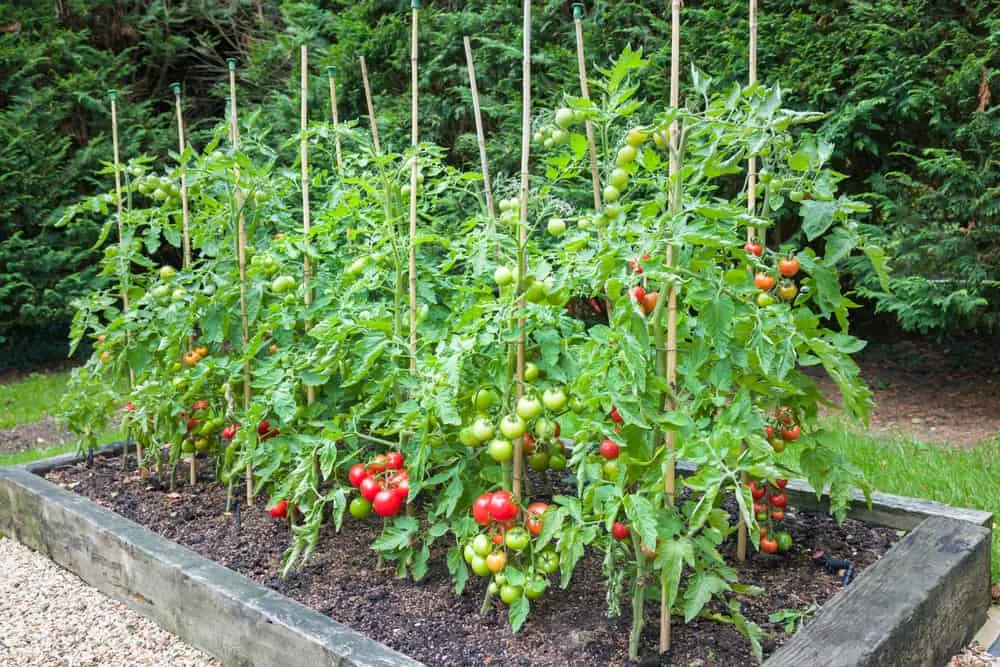
- A close-up of a cherry tomato plant, showing the individual tomatoes, which are small and round, with a yellow-green color.
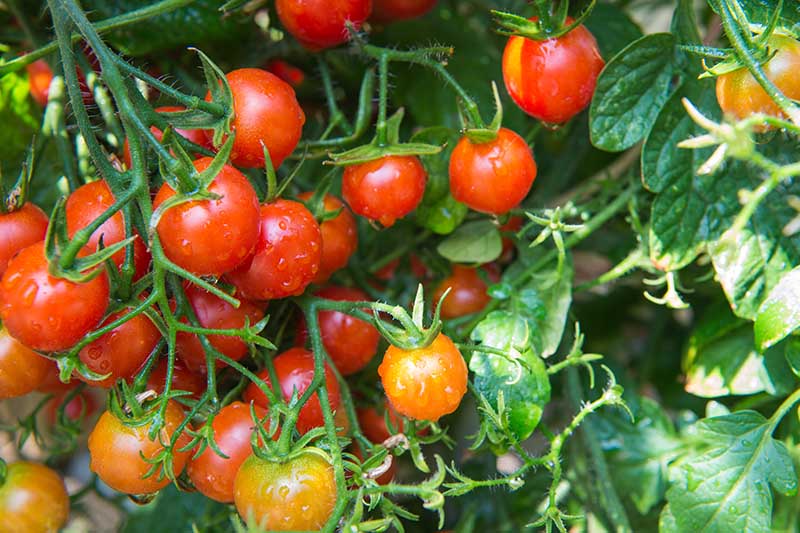
- A cherry tomato plant with flowers, which are small and white.

- A cherry tomato plant with ripe tomatoes, which are red and slightly wrinkled.
- A cherry tomato plant with a variety of colors of tomatoes, including red, yellow, orange, and green.
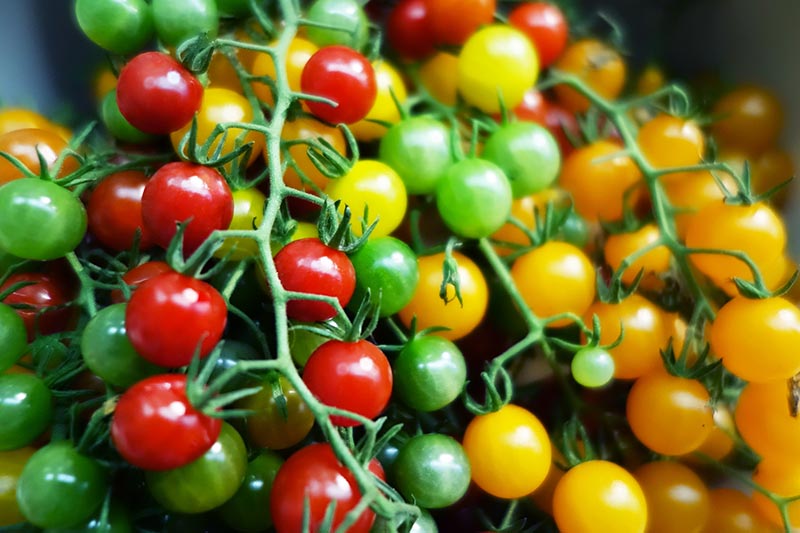
- A cherry tomato plant with tomatoes that are still on the vine.
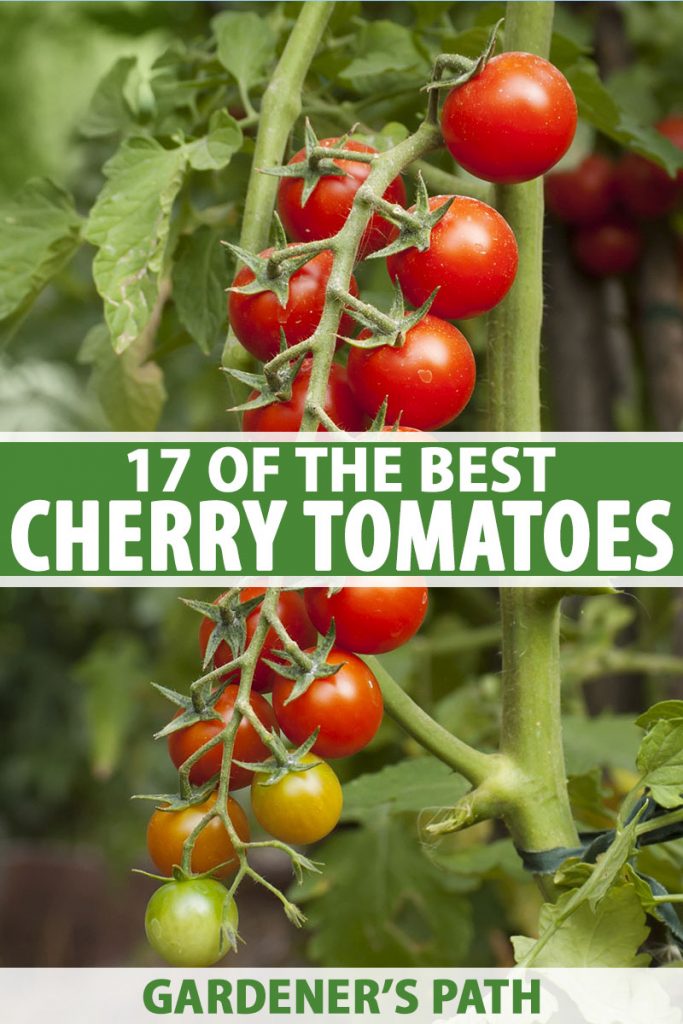
- A cherry tomato plant with a few tomatoes that have fallen off the vine.

- A cherry tomato plant with a bird perched on one of the branches, eating a tomato.
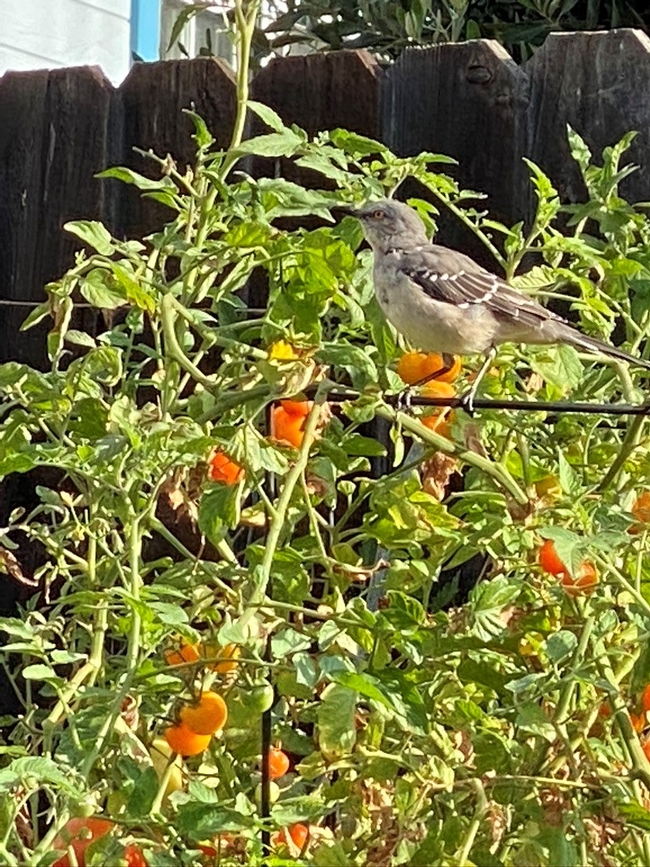
- A cherry tomato plant with a few leaves that have been eaten by pests.

Post a Comment for "How To Grow"