Best Companion Plants For Roses
Title: Best Companion Plants for Roses
Introduction:
Roses are a beautiful and popular flower, but they can be susceptible to pests and diseases. Companion planting is a great way to help protect your roses from these problems and to create a more attractive and diverse garden.
Companion planting is the practice of planting different types of plants together that benefit each other. Some plants attract beneficial insects that help to control pests, while others help to improve the soil or provide shade.
In this blog post, we will discuss some of the best companion plants for roses. We will also provide some tips on how to choose the right companion plants for your garden.
Main Content:
Here are some of the best companion plants for roses:
- Alliums: Alliums, such as garlic, onions, and chives, have a strong scent that deters pests such as aphids, Japanese beetles, and spider mites. They also help to improve the soil by breaking down organic matter.
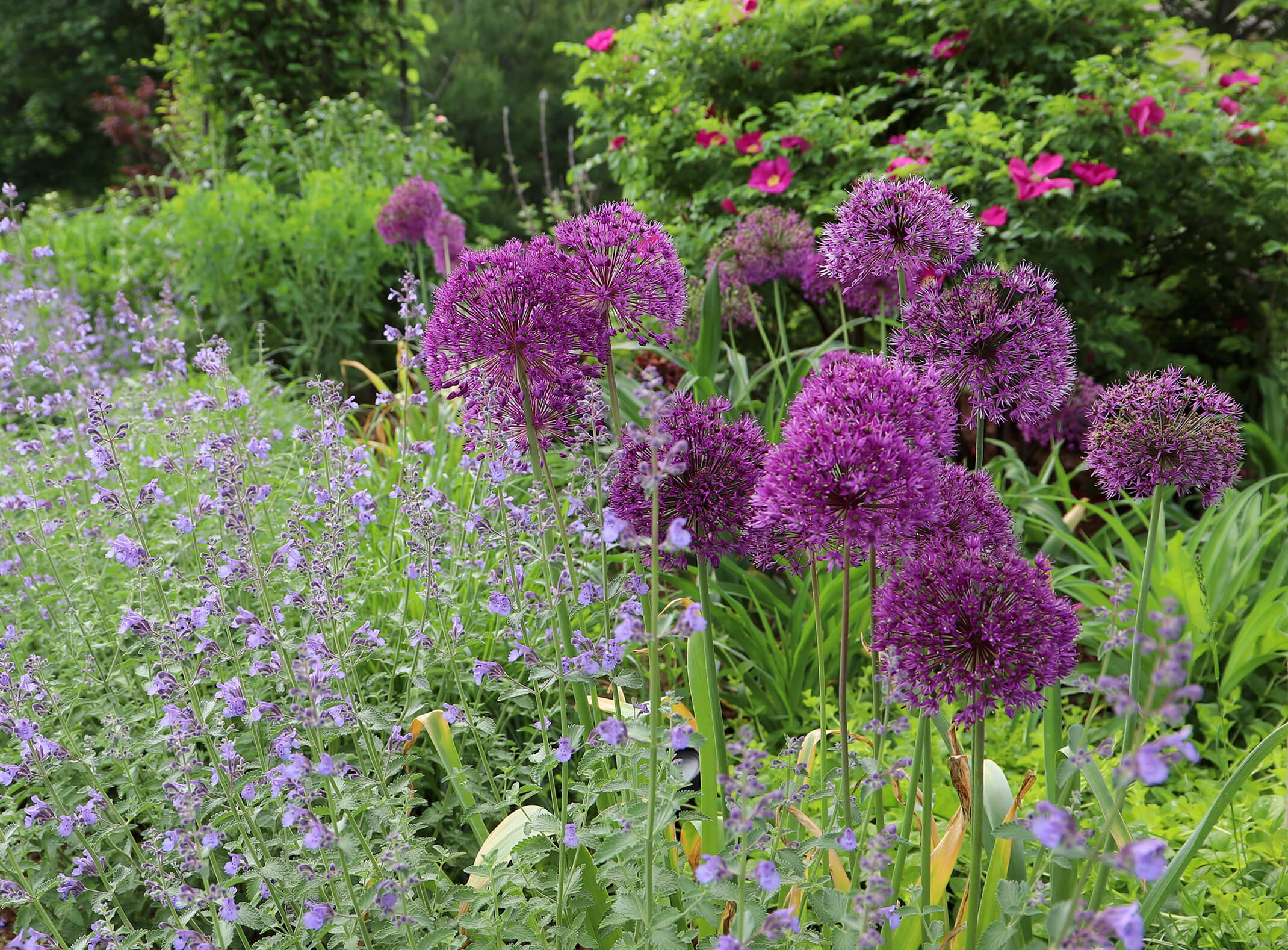
- Marigolds: Marigolds are another great companion plant for roses. They attract beneficial insects, such as ladybugs and lacewings, that help to control pests. They also help to improve the soil by suppressing weeds.

- Lavender: Lavender has a strong scent that deters pests and also helps to attract bees and butterflies. It also helps to improve the soil by attracting beneficial nematodes.
- Catmint: Catmint is a beautiful and fragrant herb that helps to attract beneficial insects and also helps to suppress weeds. It is a good choice for filling in the spaces between roses.
- Nepeta: Nepeta is another great choice for companion planting with roses. It is a low-growing herb that has blue or purple flowers. It helps to attract beneficial insects and also helps to suppress weeds.
- Yarrow: Yarrow is a tall, hardy herb that has yellow flowers. It helps to attract beneficial insects and also helps to improve the soil. It is a good choice for planting in the back of a rose bed.
- Feverfew: Feverfew is a daisy-like herb that has white or yellow flowers. It helps to repel pests such as aphids and Japanese beetles. It is also a good choice for planting in the back of a rose bed.

When choosing companion plants for roses, it is important to consider the size, growth habit, and light requirements of the plants. You also want to choose plants that will complement the color and fragrance of your roses.
Here are some tips for choosing companion plants for roses:
- Choose plants that are about the same height as your roses.
- Choose plants that have similar light requirements.
- Choose plants that will complement the color and fragrance of your roses.
- Avoid planting plants that are susceptible to the same pests and diseases as your roses.
Conclusion:
Companion planting is a great way to help protect your roses from pests and diseases, and to create a more attractive and diverse garden. By following the tips in this blog post, you can choose the best companion plants for your roses and enjoy their beauty for many years to come.
There are many great companion plants for roses that can help to improve their health, beauty, and productivity. Some of the most popular include:
- Alliums: These plants help to repel pests and diseases, and their strong scent can also help to mask the fragrance of roses, making them less attractive to pests.
- Lavender: This herb is a classic companion for roses, and it helps to repel pests, attract pollinators, and improve the drainage of the soil.
- Marigolds: These flowers help to repel nematodes, aphids, and other pests, and their bright colors can add a splash of contrast to your rose garden.
- Catmint: This plant helps to attract pollinators and deter pests, and its silvery foliage can help to camouflage the bare legs of roses.
For more information about good companion plants for roses, visit Garden Wiki.
FAQ of good companion plants for roses
What are some good companion plants for roses?
Some of the best companion plants for roses include:
- Alliums: These plants have a strong scent that deters pests, such as aphids, Japanese beetles, and spider mites.
- Marigolds: These flowers attract beneficial insects, such as ladybugs and lacewings, which help to control pests.
- Geraniums: These herbs have a strong scent that deters pests, and they also help to improve the drainage around roses.
- Catmint: This plant has a silvery-blue foliage that complements roses, and it also helps to attract pollinators.
- Lavender: This herb has a strong scent that deters pests, and it also helps to attract pollinators.
- Yarrow: This plant has a daisy-like flower that blooms in shades of yellow, white, and pink. It helps to attract pollinators and repels pests.
- Sweet alyssum: This plant has a delicate white or pink flower that blooms in spring and summer. It helps to attract pollinators and suppress weeds.
What are the benefits of companion planting with roses?
There are several benefits to companion planting with roses, including:
- Disease and pest control: Some companion plants, such as marigolds and geraniums, have a strong scent that deters pests. Others, such as alliums, can help to prevent diseases, such as black spot.
- Attracting pollinators: Roses are a favorite food of many pollinators, such as bees and butterflies. Companion plants that attract pollinators can help to improve the pollination of your roses, which will lead to more blooms.
- Improving drainage: Some companion plants, such as catmint and lavender, help to improve the drainage around roses. This can help to prevent root rot and other problems caused by wet soil.
- Adding visual interest: Companion plants can add visual interest to your rose garden. They can come in a variety of colors and textures, which can help to create a more balanced and attractive garden.
What should I avoid planting near roses?
There are a few plants that you should avoid planting near roses, including:
- Bunchberry: This plant needs shade and lots of water, which can compete with roses for resources.
- Toad lilies: These plants need well-draining soil but do best in full shade, which is not ideal for roses.
- Leopard plants: These plants have a love for shade and need slightly alkaline soil that is moist, which is not ideal for roses.
- Fuchsia: This plant requires shade, along with rich moist soil, which can compete with roses for resources.
What is the best mix for potted roses?
The best mix for potted roses is a combination of ⅓ compost and ⅔ potting mix. This will provide the roses with the nutrients they need, while also allowing for good drainage. You can also add a layer of well-rotted manure or mulch on top of the soil to help conserve moisture.
Image of good companion plants for roses
null

Post a Comment for " Best Companion Plants For Roses"